
Machu Picchu Hike: Complete Inca Trail Guide & Tips
This post contains affiliate links. If you book or buy through us, EscapeXpress may earn a small commission at no extra cost to you.
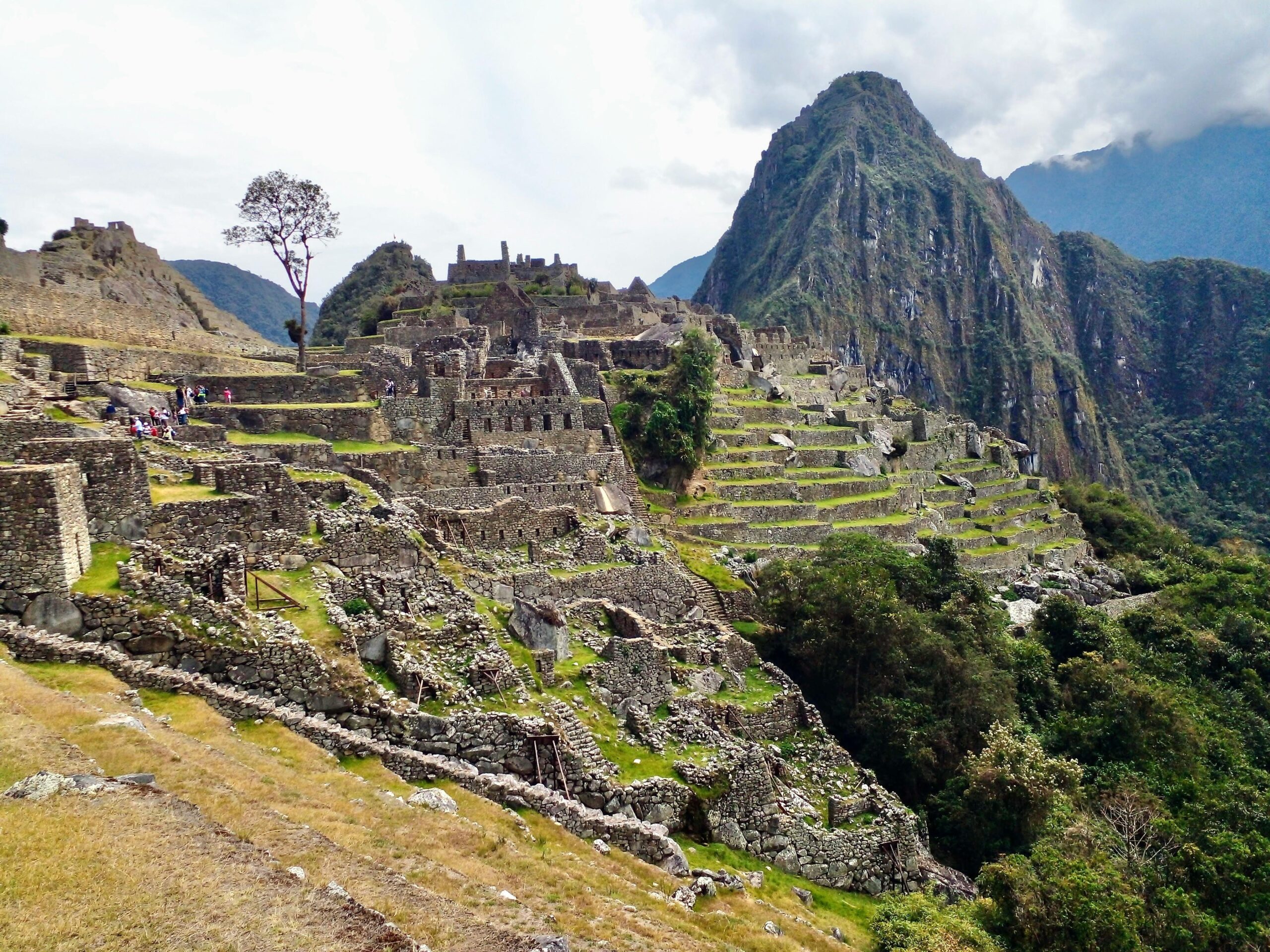
The Inca Trail to Machu Picchu is a world-renowned trek that offers an unparalleled blend of adventure, history, and natural beauty. Moreover, this iconic journey takes hikers through stunning Andean landscapes, ancient Incan ruins, and ultimately to the awe-inspiring citadel of Machu Picchu.
The Route
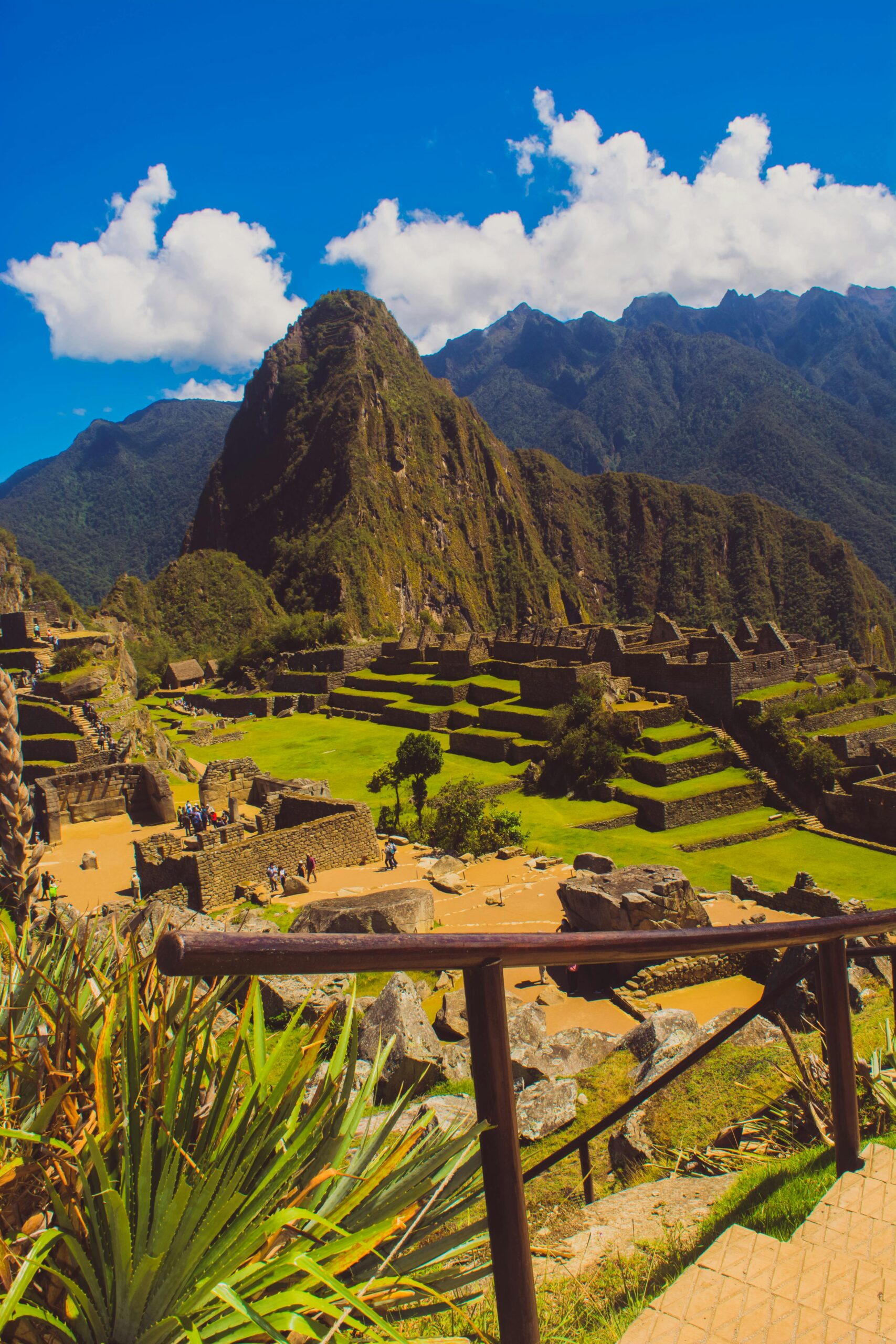
This classic trail spans approximately 26 miles (42 kilo meters) and typically takes four days to complete. The trail begins at Km 82 near the village of Ollantaytambo and winds its way through the Andean mountains, cloud forests, and ancient Inca ruins, culminating in the awe-inspiring sight of Machu Picchu.
Day-by-Day Breakdown
Start with Day 1: Km 82 to Wayllabamba
- Distance: 7.5 miles (12 km)
- Highlights: Day 1 -Crossing the Urubamba River, views of snow-capped mountains, and the first archaeological site, Llactapata.
- Elevation: Starting at 8,923 feet (2,720 meters) and ending at 9,842 feet (3,000 meters).
Next Day 2: Wayllabamba to Pacaymayo
- Distance: 7.5 miles (12 km)
- Highlights: Day 2 starts with the challenging ascent to Dead Woman’s Pass, the highest point on the trail at 13,828 feet (4,215 meters).
- Elevation: Climbing from 9,842 feet (3,000 meters) to 13,828 feet (4,215 meters) and descending to 11,811 feet (3,600 meters).
Ready for Day 3: Pacaymayo to Wiñay Wayna
- Distance: 10 miles (16 km)
- Highlights: Day 3 begins with crossing two more passes, visiting several Inca sites including Runkurakay and Sayacmarca, and passing through lush cloud forests.
- Elevation: Fluctuates with climbs and descents, ending at 8,694 feet (2,650 meters).
The main Day 4: Wiñay Wayna to Machu Picchu
- Distance: 3 miles (5 km)
- Highlights: Day 4 journey begins with the Sun Gate (Intipunku) at sunrise, providing the first view of Machu Picchu, and finally exploring the ancient citadel itself.
- Elevation: Starting at 8,694 feet (2,650 meters) and descending to 7,874 feet (2,400 meters) at Machu Picchu.
Preparation and Permits
Permits: Only 500 people (including guides and porters) are allowed on the trail each day, so booking your permit well in advance (at least six months) is essential. Permits are non-transferable and sell out quickly, especially during the high season (May to September).
Physical Preparation: The trail is a strenuous hike, requiring good physical condition. Regular cardiovascular and strength training, along with acclimatization to the altitude, are crucial. Spending a few days in Cusco (at 11,152 feet or 3,399 meters) before the trek can help mitigate altitude sickness.
Check out our carry-on essentials for flying with kids → Carry on Essentials list.
Cultural and Natural Highlights
- Inca Ruins: Besides Machu Picchu, the trail passes through several significant archaeological sites, including Llactapata, Runkurakay, Sayacmarca, and Wiñay Wayna.
- Flora and Fauna: The trail traverses diverse ecosystems, from high-altitude grasslands to lush cloud forests, home to orchids, bromeliads, hummingbirds, and even spectacled bears.
- Local Communities: Interaction with local porters and guides offers insights into Andean culture and traditions.
The Final Destination: Machu Picchu
Tips for a Successful Hike
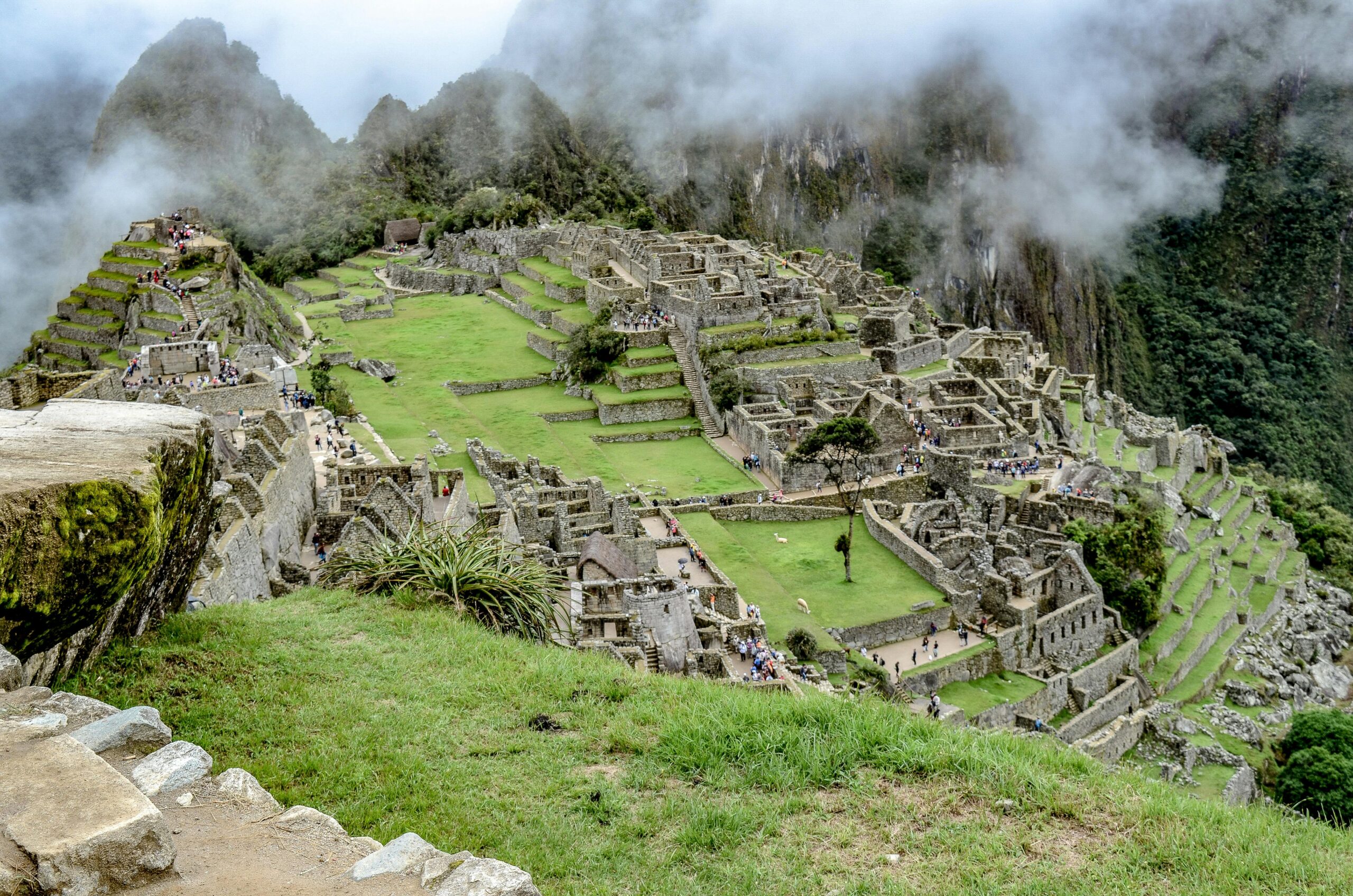
Reaching Machu Picchu at the end of the trek is indeed an unforgettable experience. This UNESCO World Heritage site, nestled in the Peruvian Andes, stands as a remarkable testament to the ingenuity and spirituality of the Inca civilization. As you explore the site, you’ll be struck by the intricate stone structures, terraces, and temples that make up this ancient city. The precise stonework and advanced engineering techniques employed by the Incas are evident throughout, showcasing their remarkable architectural skills.
- Acclimatize properly: Spend time in Cusco or the Sacred Valley to get used to the altitude.
- Stay hydrated: Drink plenty of water to help with altitude adjustment and physical exertion.
- Pace yourself: The trail is demanding; take breaks and listen to your body.
- Respect the environment: Follow Leave No Trace principles to preserve the natural beauty and cultural heritage of the trail.
In conclusion, the Inca Trail to Machu Picchu undoubtedly offers a journey of a lifetime. Although the trek presents significant physical challenges, these are ultimately well worth the reward of standing in awe before one of the world’s most iconic archaeological wonders. Therefore, our suggestion is threefold: firstly, prepare well for the demanding hike; secondly, show utmost respect for the ancient trail and its surroundings; and finally, wholeheartedly embrace the incredible adventure that awaits you. With these considerations in mind, we wish you happy hiking and an unforgettable experience on this remarkable journey.
Where to Next?
If the Inca Trail has you craving more challenging treks and cultural immersion:
- How to Plan a 5-Day Georgia Trip from Dubai — mountains, ancient culture, and a much shorter trip from Dubai.
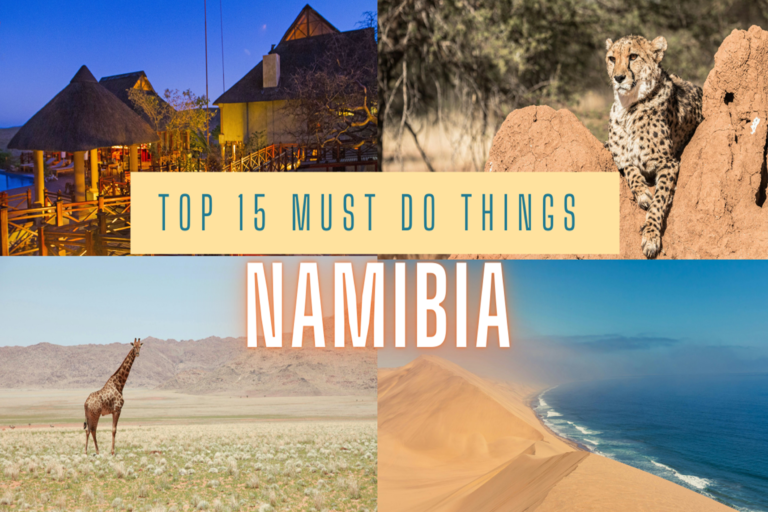
- Namibia: 15 Thrilling Adventure Experiences — for readers drawn to remote, physically demanding landscapes.
- Family Trip to Western Serbia: Complete Travel Guide (2026) — an underrated hiking-and-nature destination for a different kind of trek.
- Top 5 Farm Tours in the Philippines — its Banaue Ifugao rice terraces section pairs naturally with the Inca ruins and ancient engineering theme here.

One Comment