Serbia, Bosnia and Montenegro on a Pakistani Passport (2026)
This post contains affiliate links. If you book or buy through us, EscapeXpress may earn a small commission at no extra cost to you.
If you hold a Pakistani passport and a valid US visa, you can enter all three of these countries without applying for a visa in advance. We’ve done Serbia as a family. Here’s exactly how the rules work, where they differ, and the detail that nearly caught us out at the border.
Why most guides get this wrong
Search “Serbia visa for Pakistani passport holders” and the first results will tell you flatly that you need a visa. Search the Balkans generally and you’ll find dozens of guides explaining how easy it all is — written entirely for **US citizens**, who get visa-free entry on the strength of their passport.
Those are two completely different situations. A Pakistani passport holder carrying a US visa is a third-country national relying on a visa exemption, and the rules are narrower, shorter, and vary by country.
Here’s what actually applies.
| Rules | Serbia | Bosnia & Herzegovina | Montenegro |
|---|---|---|---|
| Qualifying visa | Valid Schengen, UK, EU or US visa | Multiple-entry visa from USA, Schengen, Bulgaria, Cyprus, Ireland, Monaco or Romania | Visa from USA, UK, Schengen, Australia, Canada, Ireland, Japan or New Zealand |
| Per entry | —- | 30 days | 30 days |
| Total allowed | 90 days per 6 months | 90 days per 6 months | 30 days |
| Must be multiple-entry? | Yes (per airline rules) | Yes | Not specified |
Safely assume you need a multiple-entry visa. Two of the three state it outright, and airlines apply the multiple-entry requirement to Serbia as well. If your US visa is single-entry, check with your airline before booking anything — you may be stopped at check-in rather than at the border.
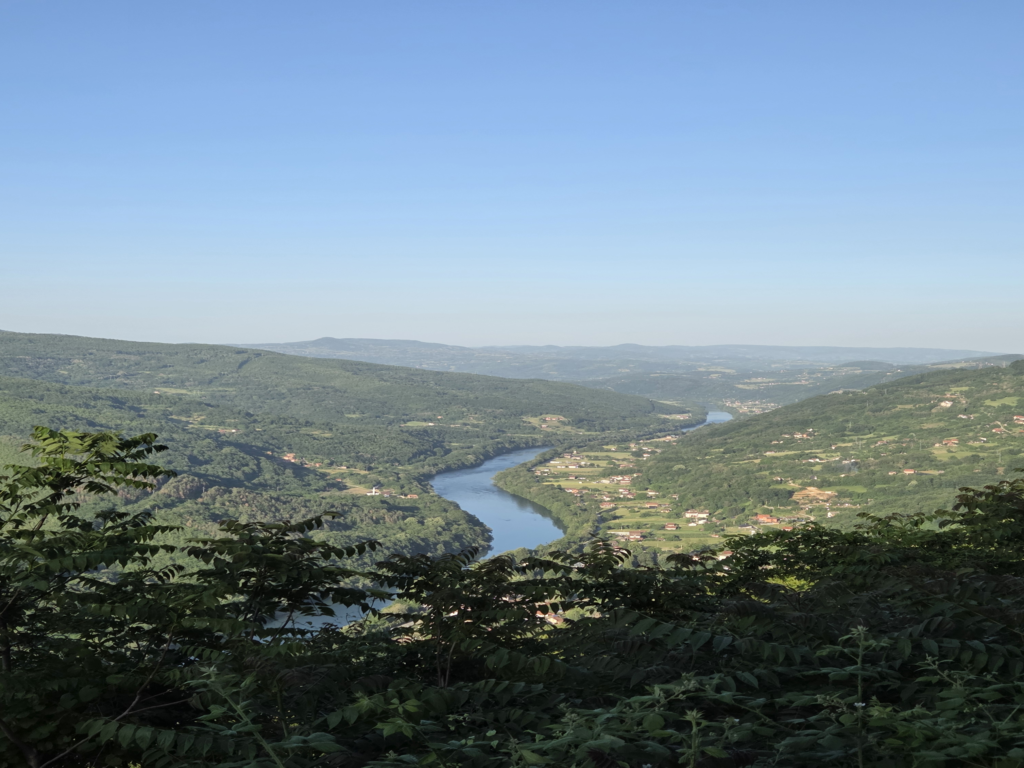
Serbia — the most generous of the three
The rule comes from a Serbian government decision adopted in October 2014. Holders of national passports with a valid Schengen, UK or EU member state visa, or a valid US visa — or a residence permit in the Schengen area, EU or US — may enter, transit and stay in Serbia for up to 90 days in a six-month period, without applying in advance.
We traveled on Pakistani passports with valid US visas. No application, no embassy appointment, no waiting.
One discrepancy worth knowing about
Serbia’s own Ministry of Foreign Affairs wording doesn’t mention single or multiple entry — it just says a valid visa.
But airline systems apply a stricter rule. Emirates’ visa database states that for Serbia the visa must be multiple entry and valid for the period of intended stay, and lists the qualifying issuers as Switzerland, the UK, the USA or an EEA member state.
In practice the stricter rule wins, because the airline decides whether you board. If check-in won’t accept a single-entry visa, it doesn’t matter what the border would have done.
Multiple-entry is required. Most US tourist visas issued to Pakistani nationals are multiple-entry B1/B2, so this may well be academic — but check your own visa before booking.
What we were actually asked for
We weren’t grilled, but two things were checked:
Our US visas — expected. The officer looked at the visa page in every passport, including the children’s.
A confirmed return ticket — this is the one to prepare for. Not a booking reference, not a hold, not a screenshot of a flight search. A confirmed, ticketed return or onward flight.
If you normally book one-way and sort the return later, don’t do that here. A missing onward ticket is the most likely reason to be stopped at check-in or passport control.
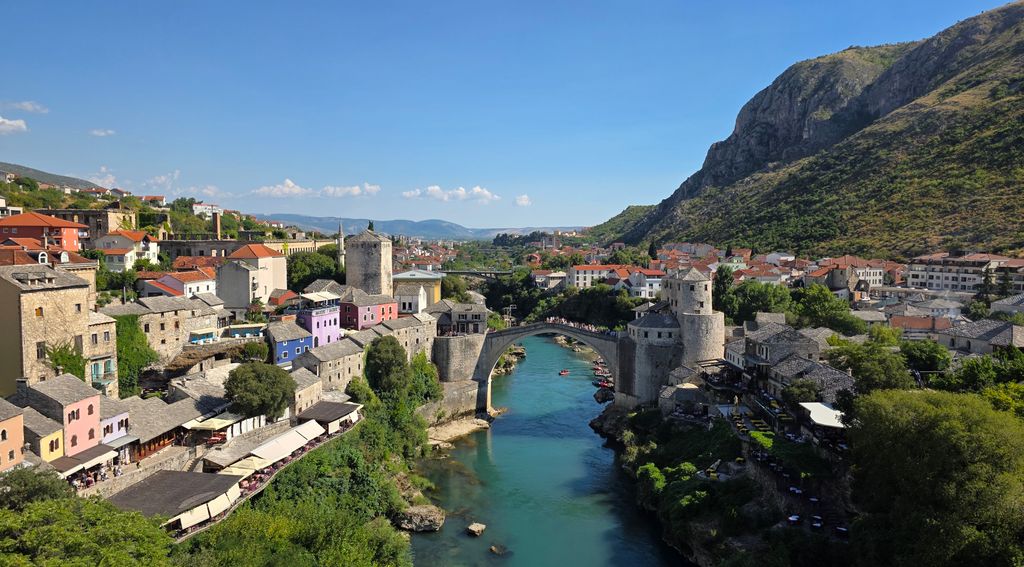
Bosnia and Herzegovina
A multiple-entry visa from the USA, a Schengen state, Bulgaria, Cyprus, Ireland, Monaco or Romania allows entry for up to 30 days per visit, with a maximum of 90 days in any six-month period.
Separately, a residence permit issued by Albania, Bulgaria, Cyprus, Ireland, Monaco, Montenegro, Romania, Serbia, the USA or a Schengen state gives the same 30-day entry and 90-day total. A UAE residence permit does not qualify for Bosnia.
Note the per-entry cap: even though you get 90 days across six months, you can only stay 30 days at a time.
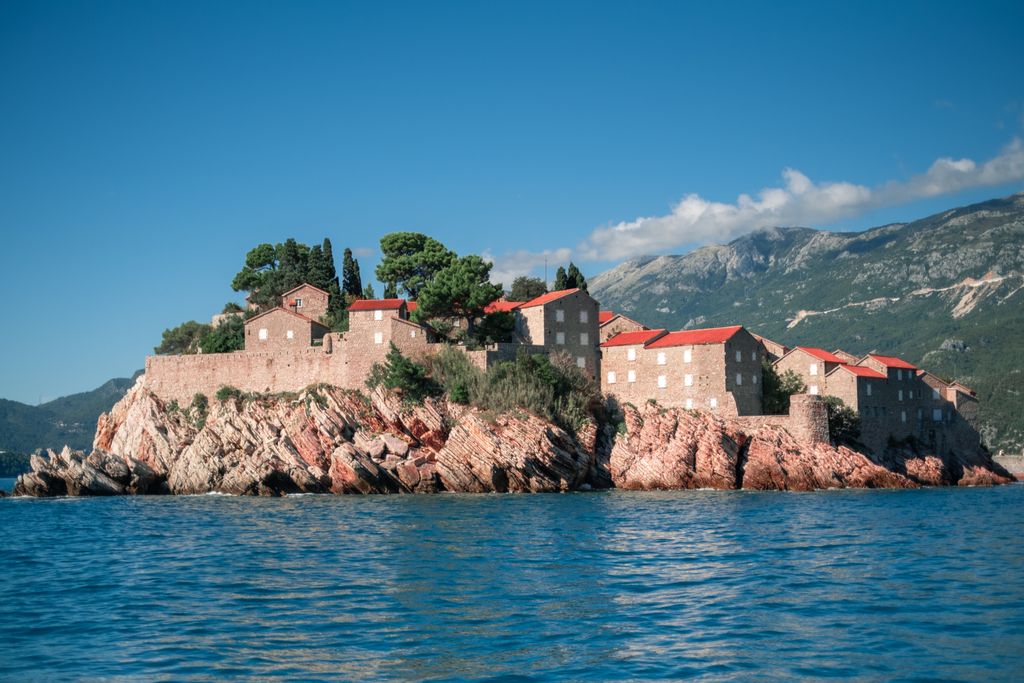
Montenegro — and a route that doesn’t need a US visa at all
A visa issued by the USA, UK, a Schengen state, Australia, Canada, Ireland, Japan or New Zealand allows entry for a maximum of 30 days, and the visa must be valid for the whole period of your stay. Shorter than Serbia, and there’s no 90-day total to accumulate.
Unlike Serbia and Bosnia, Montenegro’s rule doesn’t specify multiple-entry — only that the visa is valid for your stay. That said, if you’re routing through more than one of these countries you’ll need multiple-entry anyway.
The UAE residency route, expiring 1 October 2026
This one is worth knowing about if you live in the Gulf, and it’s time-limited.
Until 1 October 2026, holders of a United Arab Emirates residence permit can enter Montenegro without a visa for up to 10 days, provided they arrive directly from the UAE. Three conditions apply:
- Proof of continuous UAE residence for the previous three years
- A return ticket
- Proof of paid tourist arrangements — hotel bookings, paid in advance
That’s a genuine option for a short trip if you don’t hold a US or Schengen visa. Ten days is enough for a Montenegro coast week. But note the direct-arrival condition — routing via Istanbul or Belgrade would likely break it — and note the deadline.
There’s also a residence-permit route: a residence or re-entry permit from the USA, UK, Schengen, Australia, Canada, Ireland, Japan or New Zealand gives 30 days.
The word that matters: “valid”
Several travel sites claim an expired-but-used US visa is enough for these exemptions. Serbia’s own wording says the exemption applies within the validity of the visa. Montenegro’s states the visa must be valid for the period of stay.
Read that as: your US visa must still be valid on the day you enter, and ideally through your whole trip. Not expired, not “used once three years ago.”
I don’t know how consistently that’s enforced, and it’s not worth finding out. If your US visa has expired, treat yourself as needing a proper visa and apply.
One related point that does help: a visa in an expired passport is generally accepted if you also carry a new passport issued by the same country. That’s about the passport expiring, not the visa.
What to carry, regardless of country
We travelled with all of this and would again:
- Confirmed return or onward ticket — printed and on the phone. This isn’t optional caution: Montenegro’s own policy states that visitors without a return or onward ticket could be refused entry, and it was the thing we were actually asked for in Serbia.
- Hotel bookings covering the full stay
- Travel insurance documents
- Proof of funds — Serbia’s guidance for standard applicants references around €50 per day, a reasonable benchmark for any of the three
- Children’s documents — birth certificates, and a notarised consent letter if only one parent is travelling
We were asked for two of these. The cost of carrying a document you don’t need is nothing.
Planning a multi-country route
The allowances are separate. Time in Serbia doesn’t count against Bosnia or Montenegro, and none of them count against Schengen days.
Montenegro is the constraint. Thirty days total, versus ninety for the other two. If you’re doing a long loop, that’s the one to plan around.
Land borders still check. These are all outside Schengen, so every crossing means passport control. Have the documents accessible, not buried in a suitcase.
Where these rules come from, and why you should still check
The Serbian rule is published by Serbia’s Ministry of Foreign Affairs. The Bosnia and Montenegro details here come from Emirates’ visa and passport database — which is worth knowing about, because it’s essentially the same system airline check-in staff use to decide whether to board you. If Emirates says you qualify, you’ll generally be allowed to fly.
That said: visa policy changes without notice and without publicity. The Montenegro UAE-residency route expires in October 2026 and may or may not be renewed. Check the current position before you book — on the destination country’s own foreign ministry site, or through your airline’s visa checker — not on a blog, including this one.
Is it worth it?
Genuinely, yes. Western Serbia in particular is beautiful, quiet, extremely affordable, and almost free of the crowds you’d find in Croatia next door. Bosnia and Montenegro are similar value.
For a family on a Pakistani passport, being able to reach three European countries without a visa application is close to remarkable. Most of Europe means weeks of paperwork and a real chance of refusal. This meant booking a flight.
Where to Next?
Now you know you can get in — here’s where to actually go:
- Western Serbia: the quiet side nobody flies to — Drina river houses, mountain villages and Europe’s cheapest family week
- Georgia with kids — another visa-accessible option from the Gulf, and one of the best-value trips going
- Türkiye off the tourist trail — where to go once you’ve done Istanbul
📍 Planning a Balkans trip? Every place we mention is in our free travel app, Hidden Gems — with parking, costs, crowd levels and whether it works with children.
Requirements change without notice. Always confirm the current position with the destination country’s foreign ministry or your airline before booking. This is our own experience and research, not legal or immigration advice.
Last updated: August 2026