Explore the World Sustainably: Top Nations for Eco-Conscious Travelers
This post contains affiliate links. If you book or buy through us, EscapeXpress may earn a small commission at no extra cost to you.
The global tourism industry is undergoing a profound transformation as environmental consciousness becomes the driving force behind travel decisions. With the sector contributing approximately $9.9 trillion to global GDP in 2023, this represents 9.1% of the world’s total economic output. Consequently, the eco-tourism revolution represents more than just a trend. It’s becoming an economic imperative that balances planetary health with prosperity.
The Paradigm Shift: From Sustainable to Regenerative Tourism
Today’s eco-conscious travelers are demanding more than just “do no harm” tourism. A remarkable 66% of travelers now want to leave destinations better than they found them. Signaling a shift from traditional sustainable tourism to regenerative practices that actively restore ecosystems and empower communities. This evolution goes beyond minimizing negative impacts to creating positive environmental and social change through travel.
Regenerative tourism embodies several core principles that distinguish it from conventional approaches:
- Active restoration of natural habitats and biodiversity enhancement.
- Community engagement ensuring local voices are heard and benefits are equitably shared.
- Cultural preservation and enrichment of local traditions.
- Holistic benefits considering long-term social, economic, and environmental impacts.
Thailand: Pioneering Coral Reef Restoration Through Innovation
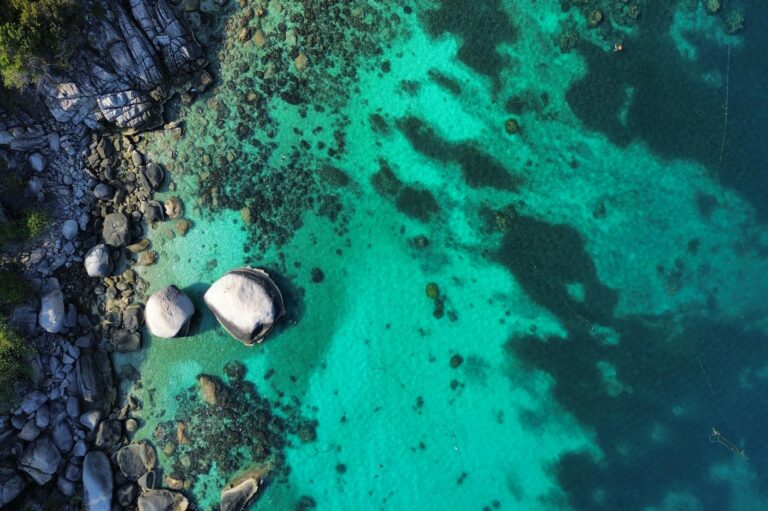
Next is, Thailand, has emerged as a leader in marine ecosystem restoration. Phuket’s coral reef projects serve as a model for tourism-driven conservation. The Thai Union Group’s Coral Reef Restoration Project at Koh Racha Yai represents cutting-edge environmental restoration. In its second year, the project has installed 109 coral reef restoration structures using innovative SCG 3D printing technology.
The project’s success is measurable: more than 5% of coral larvae have successfully attached to the artificial structures, and fish populations have increased significantly—positive indicators of ecosystem recovery. This initiative demonstrates how tourism revenue can directly fund conservation efforts. Notably, the project is part of Thai Union’s Sea Change 2030 global sustainability strategy.
Want to see the reef restoration up close? Book a Koh Racha Yai snorkeling & coral tour.
Beyond Phuket, Thailand’s national coral restoration efforts have achieved remarkable results. Following the devastating 2024 coral bleaching event that affected 60-80% of corals, Thailand’s “Reduce, Refrain, Rescue” strategy has facilitated the recovery of over 60% of affected corals. Additionally, the Department of Marine and Coastal Resources is actively implementing its 2025 coral restoration plan to restore an additional 24 rai (nearly 10 acres) of reef.
📍 Where to Stay in Phuket
Amari Phuket
Beachfront in Patong, a practical base for island tours and boat departures.
Cape Panwa Hotel
On the quieter southeast side of Phuket, often convenient for sea-based excursions.
Thavorn Beach Village Resort & Spa
Near Kamala/Patong with a private-beach setting.
Holiday Inn Resort
A family-friendly Patong option and commonly recommended for beach access.
Bali: Redefining Luxury Through Sustainable Hospitality
Second on the list, Bali has transformed its tourism landscape by integrating sustainability into luxury hospitality experiences. The island now offers an extensive network of eco-conscious resorts that blend comfort with environmental responsibility.
📍 Where to Stay in Bali
Bambu Indah
The resort demonstrates how traditional architecture can be preserved while incorporating modern sustainability practices.
Alila Villas Uluwatu
The property features locally sourced materials, solar energy systems, and water recycling initiatives while maintaining dramatic cliff side views.
The Mercure Bali Sanur Resort’s
Achievement of Green Key Certification in early 2025 represents the growing trend of established hotel chains adopting rigorous environmental standards.
Arma Museum & Resort
Upscale family-friendly hotel in a rural location
close to Ubud Monkey Forest, Arma Museum & Resort provides a terrace, 2 coffee shops/cafes, and a garden.
Pair your stay with a guided Ubud rice terrace & temple tour.

Costa Rica: The Gold Standard for Eco-Tourism Governance
Third Destination is Costa Rica has established itself as the global benchmark for sustainable tourism through comprehensive policy frameworks and community engagement. With over 25% of its land designated as protected areas, the country’s Certification for Sustainable Tourism (CST) program has become the international standard for responsible travel.
The selection of Costa Rica to host the 2025 Sustainable & Social Tourism Summit in May 2025 recognizes the country’s pioneering leadership in eco-friendly tourism and social responsibility. The nation’s commitment to carbon neutrality by 2050 integrates renewable energy, electric mobility, and conservation efforts into its tourism strategy.
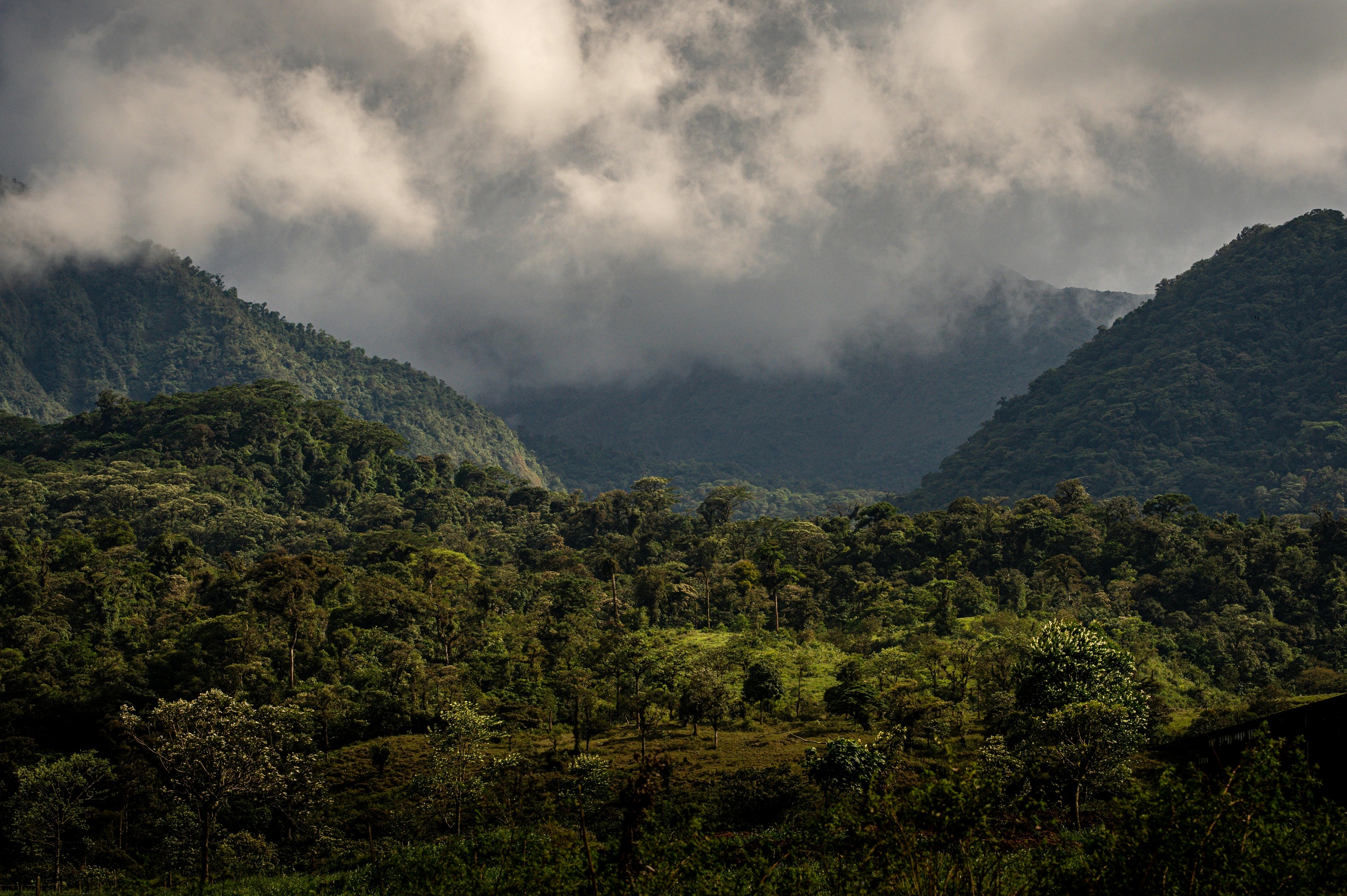
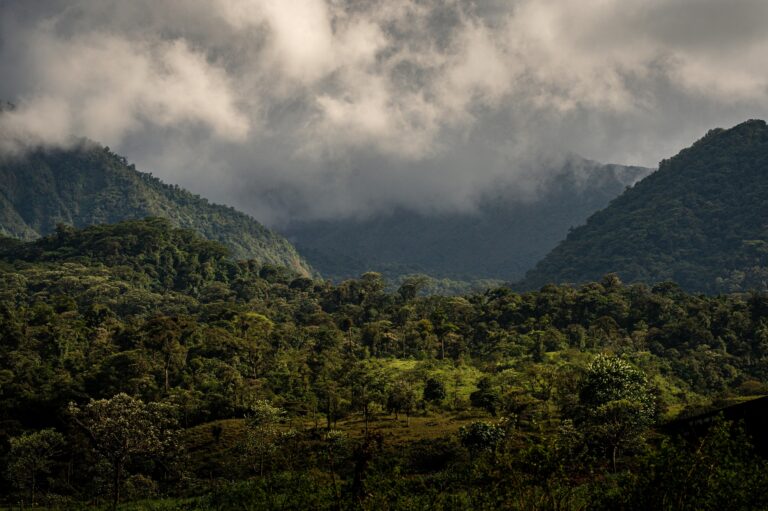
Costa Rica’s success stems from its holistic approach to sustainable tourism. The country offers diverse experiences, from eco-lodges in the Douro Valley to adventure tourism designed to support local communities and conservation initiatives. Its varied geography enables activities ranging from cloud forest exploration to marine ecosystem discovery along both Pacific and Caribbean coasts.
📍 Where to Stay in Costa Rica
Si Como No Resort
Clearly family-friendly, with family amenities and rooms suited to families; Trip advisor even shows family-friendly feedback and kid-oriented features.
Riu Palace Costa Rica
Strong family option, with family amenities and reviews from families with children
Los Sueños Marriott Ocean & Golf Resort
Commonly used for family stays because of its large resort setup, beach access, and golf/resort facilities.
Planet Hollywood Costa Rica
Generally a better family pick because it is an all-inclusive resort with broader appeal for groups and children than the more boutique-style properties.
Interested? Book a Rainforest & wildlife adventure tour.
Bhutan: The Carbon-Negative Tourism Model
Next one is Bhutan represents the ultimate achievement in sustainable tourism as the world’s only carbon-negative country, absorbing more carbon dioxide than it emits. The kingdom’s approach demonstrates how tourism can be managed to support rather than compromise environmental goals.
Bhutan’s “High-Value, Low-Impact” tourism model enforces a mandatory Sustainable Development Fee for foreign visitors, ensuring tourism revenue directly benefits local communities and conservation efforts. Instead of mass tourism, Bhutan promotes boutique experiences through eco-lodges that align with the country’s sustainability objectives.
The constitutional requirement that 60% of Bhutan’s land remain forested, combined with its reliance on hydro power for energy needs, creates a tourism model that is inherently regenerative. Furthermore, the country’s focus on Gross National Happiness over GDP prioritizes environmental conservation and cultural preservation alongside economic development.
Instead of mass tourism, Bhutan promotes boutique experiences through eco-lodges that align with the country’s sustainability objectives.
Most travelers book Bhutan through a guided tour package that includes the Sustainable Development Fee.
Rwanda: Conservation Through Community-Centered Tourism
The unique one in the list is Rwanda’s gorilla tourism program exemplifies how wildlife conservation and community development can be integrated through sustainable tourism. The country now hosts over 600 mountain gorillas. This is a remarkable recovery from near-extinction in the 1980s.
The success of Rwanda’s conservation model lies in its reinvestment approach, where gorilla trekking permit fees directly fund anti-poaching programs, habitat restoration, and community development projects. This system ensures that tourism revenue creates tangible benefits for both wildlife conservation and local communities.
Rwanda’s annual Kwita Izina gorilla-naming ceremony has become a global symbol of conservation success. It draws international attention to the importance of protecting endangered species while celebrating community achievements. The program has reduced poverty rates in surrounding communities by up to 30%. At the same time, it has significantly increased gorilla populations.
Book a gorilla trekking permit and tour to experience this firsthand.
Stay close to the action at lodges near Volcanoes National Park.
Iceland and Norway: Renewable Energy-Powered Tourism
Lastly, Nordic countries are leading renewable energy-powered tourism. Iceland uses geothermal and hydroelectric energy, while its Vakinn certification promotes quality and environmental responsibility in tourism. Norway’s Sustainable Destination standard also supports responsible tourism through clear sustainability criteria across many destinations.
Explore glacier tours in Iceland, or browse sustainable-certified hotels. In Norway, check fjord cruise and hiking tours.
Slovenia: Nationwide Green Tourism Implementation
Slovenia’s Green Scheme of Slovenian Tourism is one of the largest sustainable tourism programs in a single country. With over 200 members, it uses recognized sustainability criteria to award Bronze, Silver, Gold, and Platinum certifications. The program supports Slovenia’s goal of building a green and boutique tourism sector. This approach ensures lower environmental impact and greater value for communities, businesses, and visitors.
Browse Green Scheme-certified hotel in Slovenia or book a Lake Bled day tour.
The Economic Impact of Green Tourism
Sustainable tourism brings major economic benefits and keeps growing. Marine and coastal tourism makes up more than half of global tourism. Therefore, regenerative practices in these areas could influence nearly $5 trillion in economic activity. Community-based marine tourism also generates more than $36 billion a year while helping protect important ecosystems.
Destinations with sustainable tourism models often see both economic gains and environmental progress. Portugal is a good example, showing that tourism growth can happen with lower emissions intensity. In 2021, its travel and tourism sector needed 23% less carbon emissions per euro of GDP than in 2010.
Conclusion: Looking Forward: The Future of Regenerative Tourism
Eco-tourism is growing fast as more people care about climate change. The blue economy is now worth $2.5 trillion and is expected to double by 2030. This creates strong opportunities for regenerative tourism. However, demand for eco-friendly travel is growing faster than the industry can deliver real sustainable experiences.
Regenerative tourism needs new technology, better community involvement, and clear ways to measure environmental and social impact. As more destinations adopt sustainability plans, tourism is becoming a tool for environmental restoration instead of environmental damage.
Countries leading this green travel trend, from Thailand’s coral restoration efforts to Bhutan’s carbon-negative tourism model, show that protecting the environment and growing the economy can go together. In fact, they prove that tourism can support nature, create meaningful travel experiences, and provide sustainable income for local communities.
Want to see regenerative travel in action? Here’s where we’ve experienced it as a family.
If eco-conscious, budget-friendly travel is what draws you, these are the trips where we put those values into practice:
Family Trip to Western Serbia: Complete Travel Guide — agritourism, nature, and budget-first travel with the kids in tow.
Family Trip to Zanzibar: Complete Travel Guide — cultural immersion and coastline conservation, seen through a family lens.